Depart from Windhoek for guided safaris into Etosha National Park, ranging from a 3-day private tour with in-park accommodation to 4- and 6-day itineraries combining Etosha with Swakopmund and Sossusvlei. All tours include hotel pickup within Windhoek city limits.
 Likely to Sell Out
 Six-day accommodated safari from Windhoek linking Sossusvlei's dunes, Swakopmund and Etosha, with lodges throughout.
 Likely to Sell Out
 4-day budget accommodated safari from Windhoek: 2 nights at Etosha, 1 night in Swakopmund, game drives included.
 Free Cancellation
 3-day private safari from Windhoek with 2 nights' accommodation inside Etosha, dinners and breakfast included. (112 chars)
Read what travelers share about their experience visiting Etosha National Park — from practical tips to personal highlights.
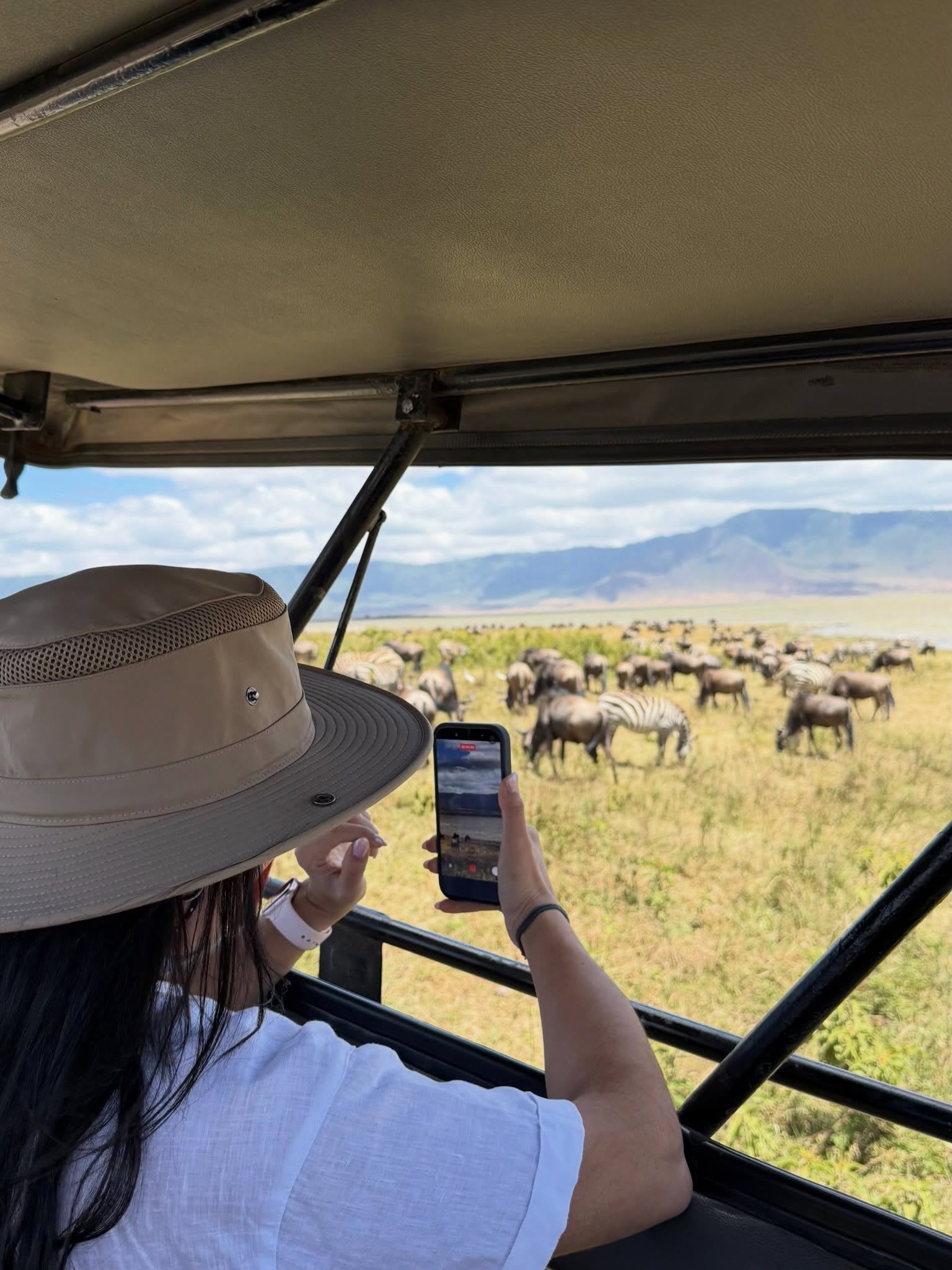
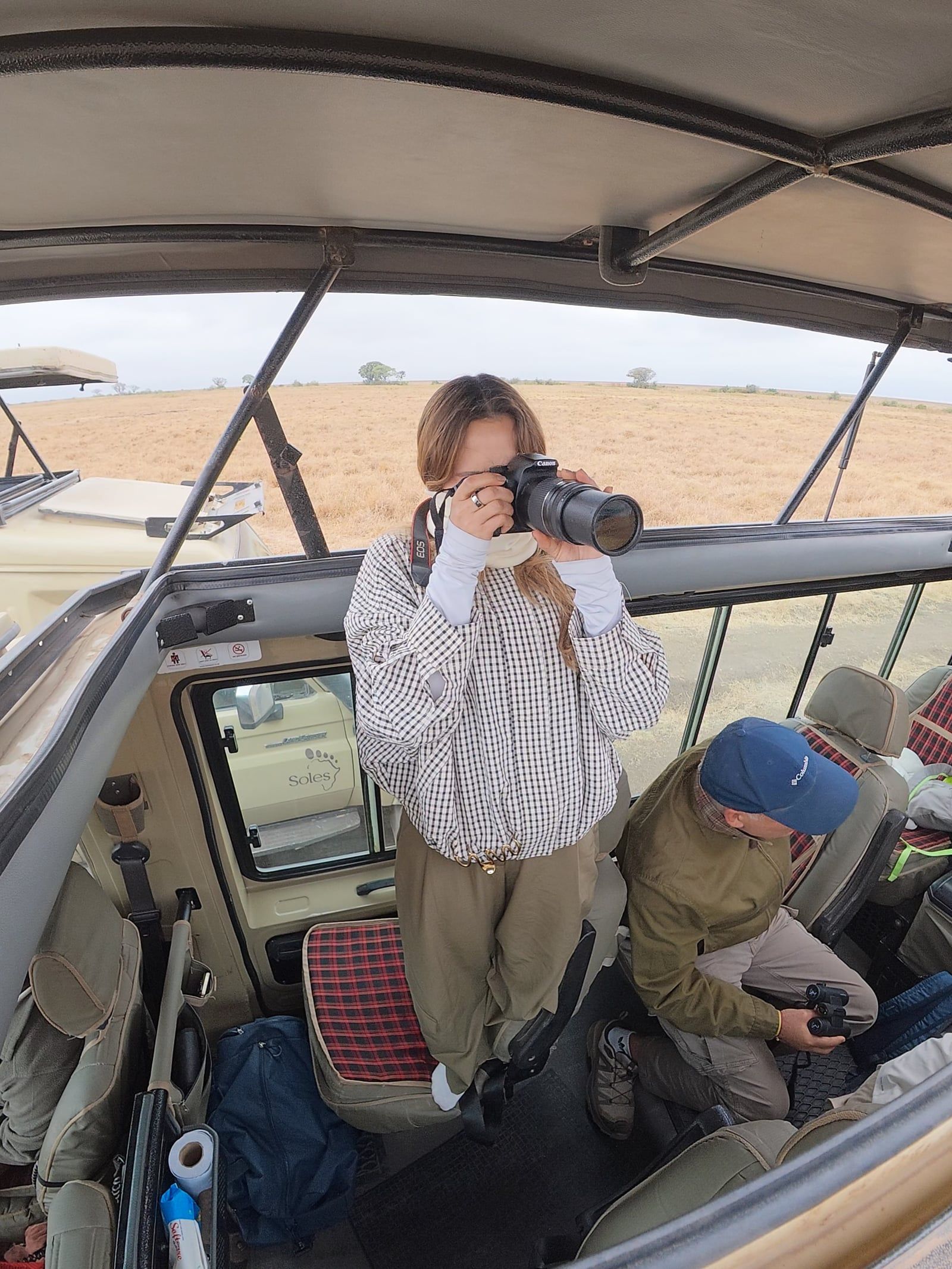
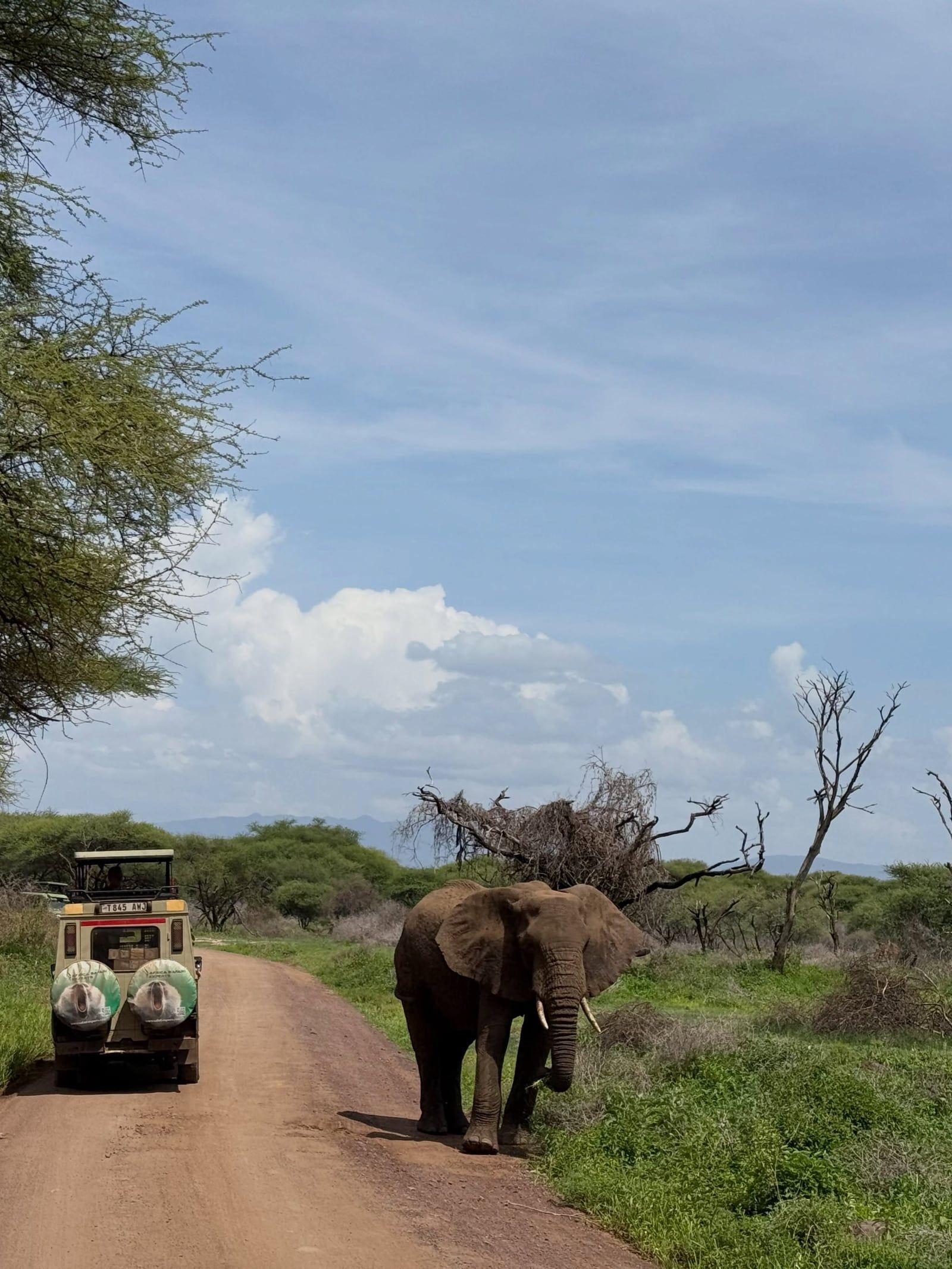
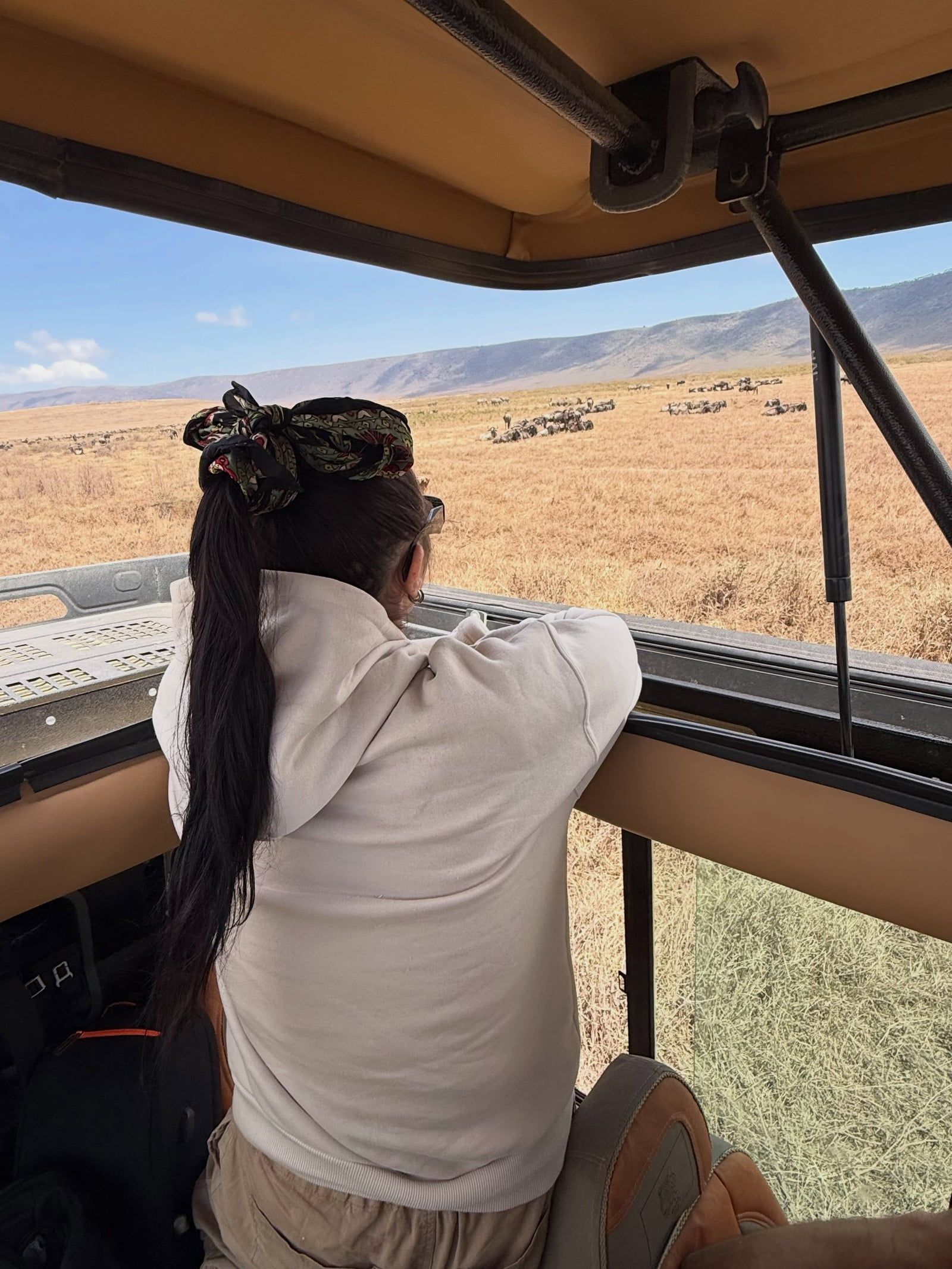
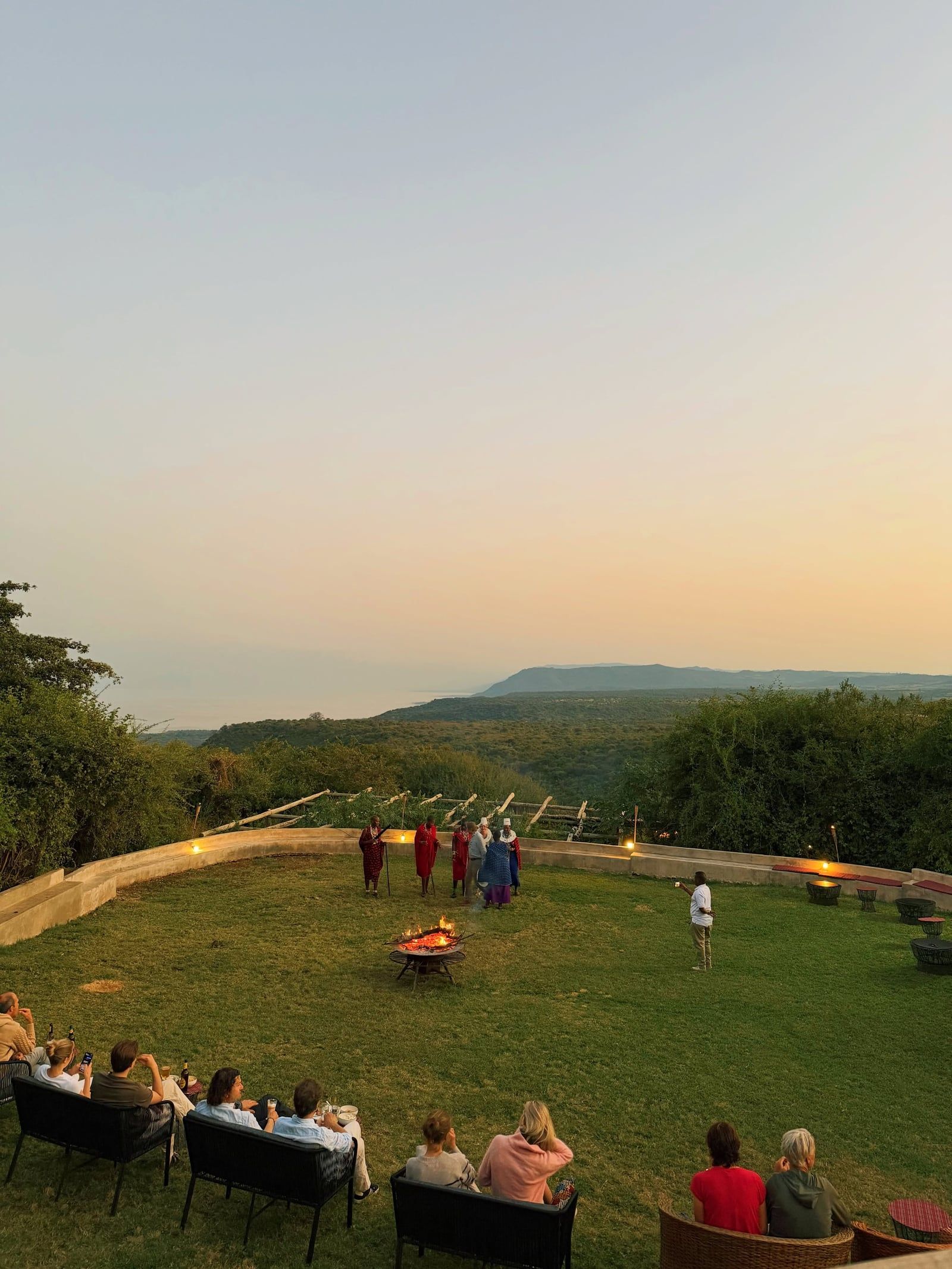
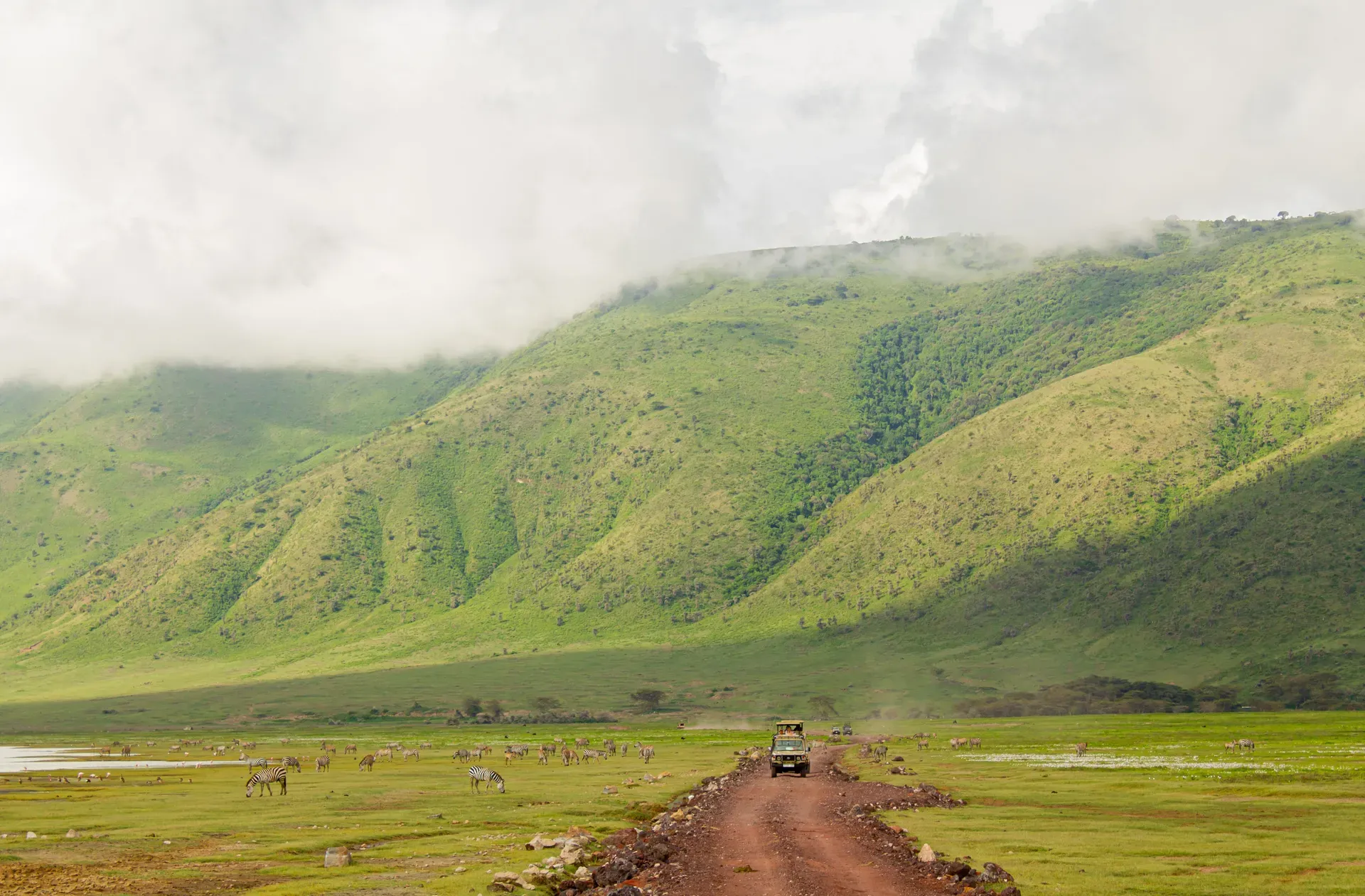
Etosha sits 420–435 km north of Windhoek, and every tour from the capital covers that distance by road — a 4.5–6 hour drive on the B1 through Otjiwarongo and Outjo before you reach Andersson Gate. What you get at the end is one of Africa's oldest and most reliable safari parks: 22,935 km² of savanna centred on a salt pan visible from space, with 114 mammal species working a circuit of 86 waterholes. Unlike most parks, you don't chase animals here — you park at a waterhole and let them come to you.
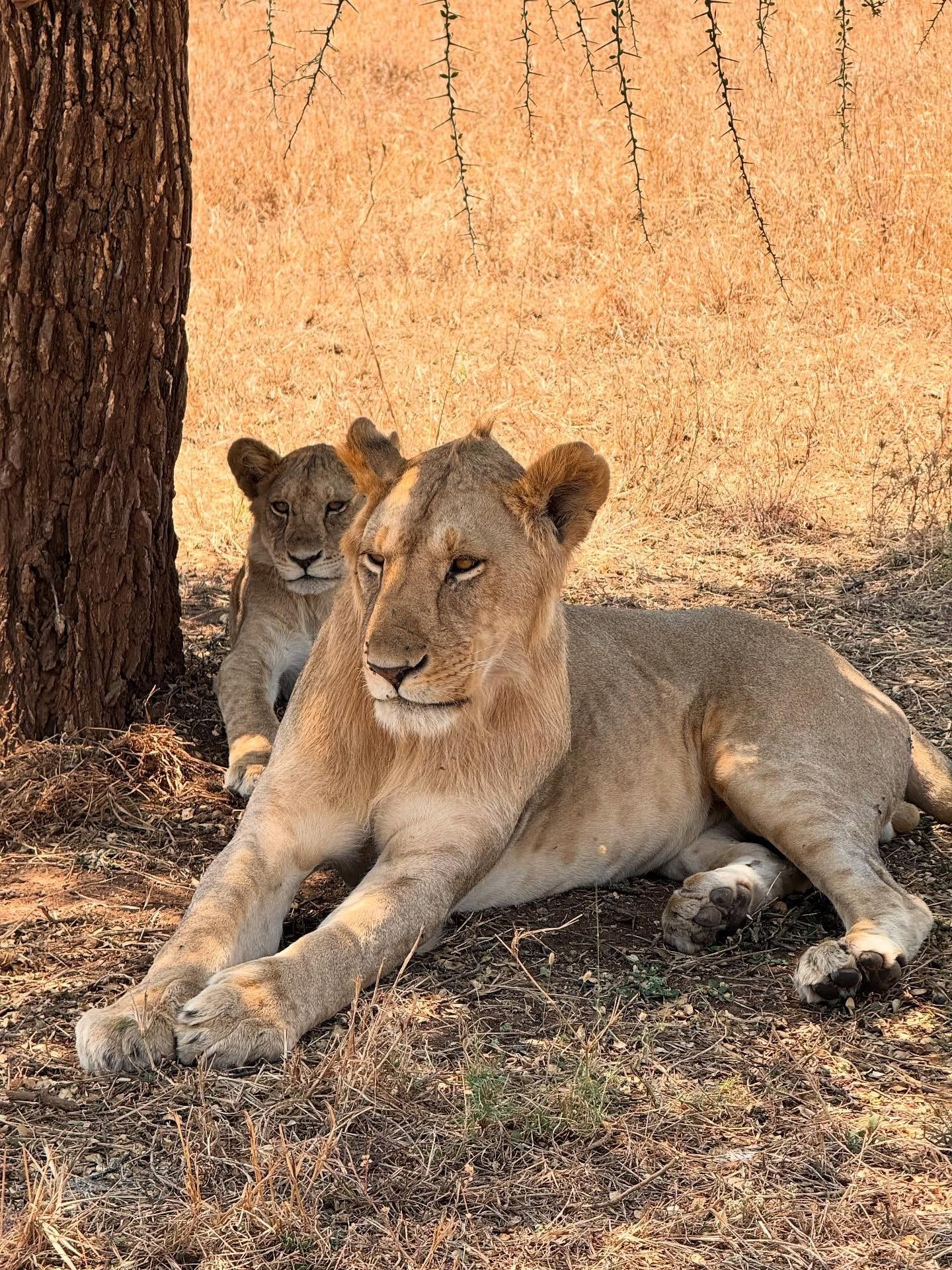
Okaukuejo's waterhole is lit all night, and it's the single best reason to sleep inside the park. Black rhino, elephant and lion come to drink metres from the benches — Etosha holds the world's largest black rhino population, and this is where you see it. Bring a jacket; you'll sit for hours.
From May to October, water dries up across the park and animals crowd the remaining holes — Gemsbokvlakte, Charitsaub, Goas and Nebrownii. Elephant herds, zebra, springbok and giraffe rotate through all morning. Your guide will sit still at one hole rather than racing between them; that's the correct tactic.
The Etosha Pan stretches 130 km long and up to 50 km wide — a green-white salt expanse the size of a small country, 'Great White Place' in Oshindonga. Heat mirages make the floor look flooded even in drought. The classic sweeping views come from the road near Fischer's Pan and Namutoni.
Halali Camp sits on the park's only hill, with its own floodlit waterhole known for rhino and a thicket guides call leopard territory. Namutoni, in the east, has a restored German fort and quieter roads toward Von Lindequist Gate. Both give the tour a second base away from the crowds.
Both the 4-day and 6-day tours include an hour at Otjikandero Himba Village, about 40 km from Andersson Gate. You'll learn about the Himba's daily life and ochre body-painting traditions. Ask before photographing anyone and carry small NAD notes.
Camp-run night drives from Okaukuejo, Halali and Namutoni are the only legal way to be out after gate closing, when lions and rhino are most active. If your tour beds down outside the park, ask whether these are on the itinerary — they're worth arranging separately.
Three Windhoek-departure tours dominate this route: a 3-day private Etosha safari, a 4-day Etosha-and-Swakopmund trip, and a 6-day loop adding Sossusvlei. Know which one fits before you pay — all sales are final on two of the three.
The 3-day option (from US$1,300) is fully private — your own vehicle and English-speaking guide, both nights inside the park. The 4-day (US$1,500.19) and 6-day (US$2,448.65) are group tours in custom air-conditioned vehicles with pop-up roofs, sleeping in lodge rooms with en-suite bathrooms. The 6-day adds Sossusvlei, Sesriem Canyon, a night in Swakopmund and a one-hour cheetah experience.
Book two to three months ahead for travel between July and November. In-park camps like Okaukuejo sell out months in advance in that window, and the 3-day private tour depends on those beds. If it shows available for your dates, don't sit on it.
Park entry is paid at the gate, and the listed prices don't always bundle it clearly — confirm with the operator. Budget NAD 150 per foreign adult per day (until 31 March 2026), plus NAD 50 per standard vehicle per day. From 1 April 2026 the adult rate jumps to NAD 280. NAD is pegged 1:1 to the South African rand.
The 4-day and 6-day group tours are final sale — no refunds for any cancellation. The 3-day private tour allows a full refund if you cancel at least 24 hours before departure. If your plans are loose, that 24-hour window is the only flexibility on this page.
The 3-day private tour stays inside the park both nights, which puts you at the waterholes for early-morning and late-afternoon drives — when the elephant herds and predators actually appear. The 4- and 6-day tours use lodges in the Etosha area (two nights on the 4-day), which means driving in through the gates each day.
All three tours include breakfast, lunch and most dinners; drinks and snacks are excluded, and Swakopmund dinners are on you. The 6-day includes a cheetah experience and a Sossusvlei day; the 4-day includes the Himba village hour. Tell the operator about dietary requirements when you book.
Etosha is one of Africa's most manageable safaris for older travellers: you watch from the vehicle or benches at camp waterholes, with almost no walking. Okaukuejo has two disabled-access rooms with grab-rails and a pull-down shower seat. Note the tours aren't recommended for travellers with spinal injuries, and camp game drives won't take children under six.
Days are long — corrugated gravel roads over 6+ hours of driving — so a moderate fitness level helps on the 6-day. Carry your passport: the gate requires ID from every visitor due to poaching pressure, and Etosha lost 46 black rhino to poachers in 2022 alone. A valid passport is required on the day of travel for the tours anyway.
Swipe to see more
| 3-Day Private Etosha Safari | 4-Day Etosha & Swakopmund Adventure | 6-Day Dunes & Wildlife Safari | |
|---|---|---|---|
| Duration | 3 days / 2 nights | 4 days / 3 nights | 6 days / 5 nights |
| Price from | US$1,300 | US$1,500.19 | US$2,448.65 |
| Rating | 5.0 (1 review) | 4.78 (23 reviews) | 4.89 (142 reviews) |
| Best for | Wildlife-first travellers — both nights inside the park, private vehicle and guide, 24-hour free cancellation | Short-on-time visitors combining Etosha's waterholes with a coastal break; lodge-based, all fitness levels | First-time Namibia visitors doing the whole highlight route — Sossusvlei, Swakopmund, cheetah experience, then Etosha |
Swipe to see more
Gates open at sunrise and close at sunset, and the times change weekly. They're posted at each gate — confirm at camp reception every morning rather than trusting yesterday's times or an old printout.
Every vehicle must be inside camp by closing time. Night driving outside camps is prohibited, and being locked out or fined is a real outcome. Plan to be behind the fence 30 minutes before closing — racing back at dusk with animals on the road is how accidents happen.
Camp rooms are available from 12:00 and must be vacated by 10:00. The floodlit waterholes at Okaukuejo, Halali and Namutoni stay open all night for guests.
Self-drive from Windhoek: the classic route. Take the B1 north to Otjiwarongo and Outjo, then the C38 to Andersson Gate — 420–435 km, 4.5–6 hours, well signposted. A sedan copes with the main gravel roads in the dry season; high clearance is more comfortable, and the wet months (November–April) deteriorate the roads badly.
Private transfer: door-to-door shuttles from Windhoek city or Hosea Kutako Airport to lodges and gates run about NAD 5,500 one-way for 1–2 people (Quest Transfer). Worth it if gravel roads don't appeal.
Domestic flight: FlyNamibia flies Eros (Windhoek) to Ondangwa in about 50 minutes, from roughly US$185 one-way. From Ondangwa, enter via King Nehale Lya Mpingana Gate, 48 km off the main road. Ignore older guides mentioning Air Namibia — it no longer exists; FlyNamibia is the operator.
From the coast: Swakopmund is ~492 km by road (~5 hours), or take the FlyNamibia Safari flight to Mokuti airstrip near the eastern gate (departs 14:00, about an hour).
May to October is the window. Rainwater dries up, animals crowd the remaining waterholes, and viewing becomes predictable. SafariBookings rates July, August and September 'Excellent'.
May and June deliver nearly the same game viewing with fewer vehicles. October is excellent for wildlife but genuinely hot. September and October bring hazy, dusty air — good conditions, mediocre photos.
November to April is the green season: heavier rain (worst January–March), scattered wildlife, very hot days and thunderstorms. SafariBookings rates January–March 'Poor' for game viewing. The trade-offs are real, though — newborn animals, dramatic skies and the year's best birding as flamingos, pelicans and migrants arrive at Fischer's Pan, boosting the park's 407 recorded species.
If wildlife is the whole point of your trip, book the dry season. If you're a birder, do the opposite.
Etosha is one of Africa's easiest safaris for limited mobility, because the experience is vehicle-based: you watch wildlife from your car or from benches at the camp waterholes. Very little walking is required.
Okaukuejo Camp has two disabled-access rooms near the waterhole, with wide doorways, grab-rails in the toilet/shower and a pull-down shower seat. Book these well in advance through Namibia Wildlife Resorts.
The catch is the driving. Gravel roads inside the park are rough and corrugated, so independent self-driving requires assistance or a hand-controlled rental. Guided tours and camp game drives are the easier route.
Older travellers: dawn drives on open vehicles are cold even in summer — bring warm layers and a cushion. Children of all ages are welcome and under-16s enter free, but camp-run game drives don't take children under six, and kids must stay inside the vehicle at all times in the park.
Six camps sit inside the park, all run by Namibia Wildlife Resorts: Okaukuejo, Halali, Namutoni, Dolomite, Onkoshi and Olifantsrus. The big three — Okaukuejo, Halali, Namutoni — each have a restaurant, bar, shop, fuel station and swimming pool, plus a floodlit waterhole.
Okaukuejo's waterhole chalets overlook the pool itself; you can watch rhino and elephant drink from your veranda. Dolomite Camp, in the restricted west, has permanent luxury tents on elevated decks, and the surrounding dolomite hills hold the park's best black-faced impala population.
Fuel up at Outjo (southern route) or Tsumeb (eastern route) before entering — gravel roads eat fuel and tyres, so check your spare. Halali has nature walks within the camp fence, a rare chance to stretch your legs between drives.
NWR accommodation for July–November sells out months ahead. Reserve early.
Stay in your vehicle at all times except inside rest camps or at designated rest areas. Animals appear suddenly beside roads; getting out is dangerous and illegal. Keep quiet at waterholes.
Namibia drives on the left. Camp-run night drives are the only legal way to be outside a vehicle in the park after dark.
The drive is 420–435 km to Andersson Gate via the B1 through Otjiwarongo and Outjo, taking 4.5–6 hours each way. Tours from Windhoek budget a full day for the transfer, usually with a stop at the Himba village near Andersson Gate or a lunch break en route. Flying is faster but indirect — FlyNamibia runs Eros to Ondangwa in about 50 minutes, from roughly US$185 one-way, followed by a road transfer to the gate.
Not always — check the inclusions before booking, since entrance is paid at the gate. Foreign adults pay NAD 150 per person per day until 31 March 2026, plus NAD 50 per standard vehicle, and the adult rate jumps to NAD 280 from 1 April 2026. NAD is pegged 1:1 to the South African rand, so NAD 280 equals ZAR 280.
The 3-day private safari from Windhoek sleeps both nights inside the park, which puts you at the waterholes for early-morning and late-afternoon drives — exactly when elephant herds and predators show up. The 4-day and 6-day tours use lodges in the Etosha area, meaning daily gate entries and lost time. Inside, you also get the floodlit night waterholes at Okaukuejo, Halali and Namutoni, where black rhino and lion drink after dark.
It depends entirely on the tour. The 4-day Etosha & Swakopmund and the 6-day Dunes & Wildlife safaris are final sale — no refunds for any cancellation. The 3-day private Etosha safari allows a full refund if you cancel at least 24 hours before departure. If your travel dates aren't fixed, that's the one to book.
The 6-Day Dunes and Wildlife Safari, rated 4.89 from 142 reviews. It covers both halves of Namibia's highlight route — Sossusvlei's dunes and Sesriem Canyon, a night in Swakopmund, then Etosha with a full-day and an afternoon game drive — plus a cheetah experience and the Himba village visit. If you've only got four days and don't need the dunes, the 4-day version does Etosha plus the coast for about US$950 less.
Your best odds are at night at the floodlit waterholes of Okaukuejo, Halali's Moringa hole, or Namutoni. Etosha holds the world's largest black rhino population — the exact count is kept secret for protection — and they come to drink metres from the viewing benches. Day drives turn up lion and elephant most reliably at the central waterholes: Gemsbokvlakte, Charitsaub, Goas and Nebrownii.
Etosha is one of Africa's best self-drive parks — 3,551 km of graded gravel roads link dozens of signposted waterholes. A sedan handles the main roads in the dry season, though high clearance is more comfortable. Between November and April, wet conditions make 4x4 capability advisable. All tour vehicles from Windhoek are custom-built safari vehicles, so this only matters for independent travellers.
Yes, with limits. Children are welcome in the park and under-16s enter free, but camp-run game drives won't take children under six, and tour child rates apply only when sharing with two paying adults. For older travellers, Etosha is one of Africa's easiest safaris — you watch from the vehicle or camp benches with almost no walking. Just know dawn drives on open vehicles are cold even in summer, and the tours aren't recommended for people with spinal injuries.
Layers, above all. A fleece, beanie and windproof layer for dawn drives — mornings are genuinely cold on open vehicles year-round — shed as the day heats up. Add neutral earth-toned clothing, a wide-brimmed hat, sunscreen and binoculars, since much of Etosha's action plays out at distance across open plains. For November–April trips, add a waterproof layer. Sturdy closed shoes are fine; there's no hiking.
No to both. Drones are prohibited throughout the park with no exceptions — declare any drone at the gate and it's held in storage until you leave. You must stay in your vehicle except inside rest camps or designated rest areas. The only legal way to be outside a vehicle after dark is on a camp-run night drive.
Browse verified tours with free cancellation and instant confirmation.
Find Tours


This six-day safari runs from Windhoek and covers both halves of Namibia's highlight route: the dunes of Sossusvlei and the Namib-Naukluft area, one night in Swakopmund in between, then Etosha National Park. You sleep in lodges every night — five total, twin-share rooms with en-suite bathrooms — so there's no camping or tent setup anywhere on the trip. The price includes all transport in a custom-built, air-conditioned safari vehicle with a professional English-speaking guide, plus breakfast, lunch and dinner (except dinner and drinks in Swakopmund, which you pay for yourself). Two one-hour cultural stops are built in: a cheetah experience and a Himba village visit. Tap water is provided; snacks, other drinks and gratuities are not. Pickup and drop-off are within Windhoek city limits, and the operator suggests staying at Chameleon Backpackers beforehand, since that's where the tour starts. One thing to know before booking: all sales are final — cancellations get no refund.
All sales are final. No refund is available for cancellations.
English


This 4-day accommodated tour starts and ends in Windhoek, with pickup and drop-off anywhere within the city limits. You spend 2 nights in the Etosha area and 1 night in Swakopmund, travelling in a custom-built air-conditioned safari vehicle with a pop-up roof. A professional English-speaking driver and guide runs the trip. Etosha time covers 1 full day plus 1 afternoon of game drives. There's also a 1-hour Himba Village experience along the way. In Swakopmund, optional activities at your own cost include quad-biking and sandboarding, or you can visit the Walvis Bay Lagoon, a RAMSAR-listed wetland with greater and lesser flamingos, Damara Terns, and pelicans. Accommodation is 3 nights in twin-share rooms with en-suite bathroom. Breakfast, lunch, dinner, and tap water are included — except dinner and drinks in Swakopmund, which you pay for yourself. The operator recommends staying at Chameleon Backpackers before the safari, since the tour begins there. All sales are final; no refunds for cancellations.
All sales are final. No refund is available for cancellations.
English


Three days in a private vehicle with your own English-speaking guide, starting and ending in Windhoek. You spend both nights inside the park, which matters: early-morning and late-afternoon drives around the waterholes are when the elephant herds and predators actually show up, and guests staying outside the gates miss them. Pickup is arranged individually. Your guide meets you in your hotel lobby 30 minutes before departure, or at the airport right after you collect your luggage, holding a board with your names on it. The price covers private transportation, the guide and vehicle, two nights' accommodation, both dinners and breakfast. Lunches, drinks and park entry fees are not included. Cancel at least 24 hours before departure for a full refund.
For a full refund, cancel at least 24 hours before the scheduled departure time.
English